

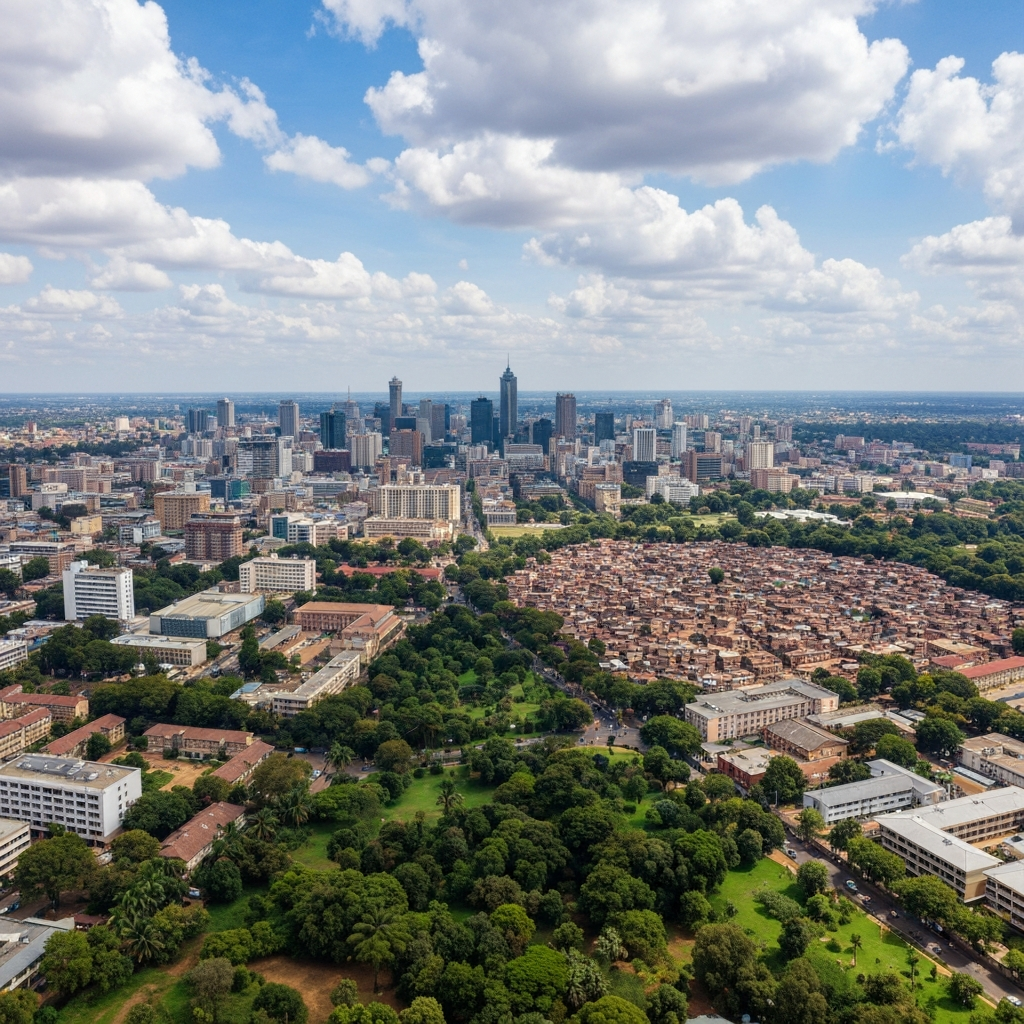
Nairobi, often referred to as the “City in the Sun,” boasts a distinctive climate shaped by its equatorial location and elevated altitude. This combination results in a temperate climate that is both pleasant and conducive to a variety of activities year-round.
Climate Overview
Situated approximately 1.3 degrees south of the equator at an elevation of about 1,795 meters (5,889 feet), Nairobi experiences a subtropical highland climate. This elevation moderates temperatures, leading to mild conditions throughout the year. Average temperatures range from 12°C (54°F) during cooler periods to 26°C (79°F) in warmer months. The hottest months are typically January through March, while the coolest months are June through August.
Rainfall Patterns
Nairobi’s rainfall is characterized by two main seasons:
- Long Rains: Occurring from March to May, this period brings the heaviest rainfall, averaging around 350 mm over the season.
- Short Rains: Taking place from October to December, this season contributes approximately 250 mm of rainfall.
These patterns are influenced by the migration of the Intertropical Convergence Zone (ITCZ), leading to variations in precipitation throughout the year.
Environmental Challenges
Despite its favorable climate, Nairobi faces several environmental challenges:
- Air Pollution: The city’s air quality is significantly impacted by road transport, which accounts for 40% of PM2.5 concentrations. Factors contributing to this include an aging vehicle fleet, inadequate road networks, and poorly enforced vehicle emission standards.
- Sewage Disposal: Irresponsible discharge of raw sewage into the environment has been a concern, leading to environmental degradation and public health risks. Efforts are underway to address these issues through improved waste management systems.
Conclusion
Understanding Nairobi’s climate and environmental challenges is essential for residents and visitors alike. While the city enjoys a temperate climate with distinct rainfall patterns, addressing environmental issues such as air pollution and waste management remains crucial for sustainable development.