

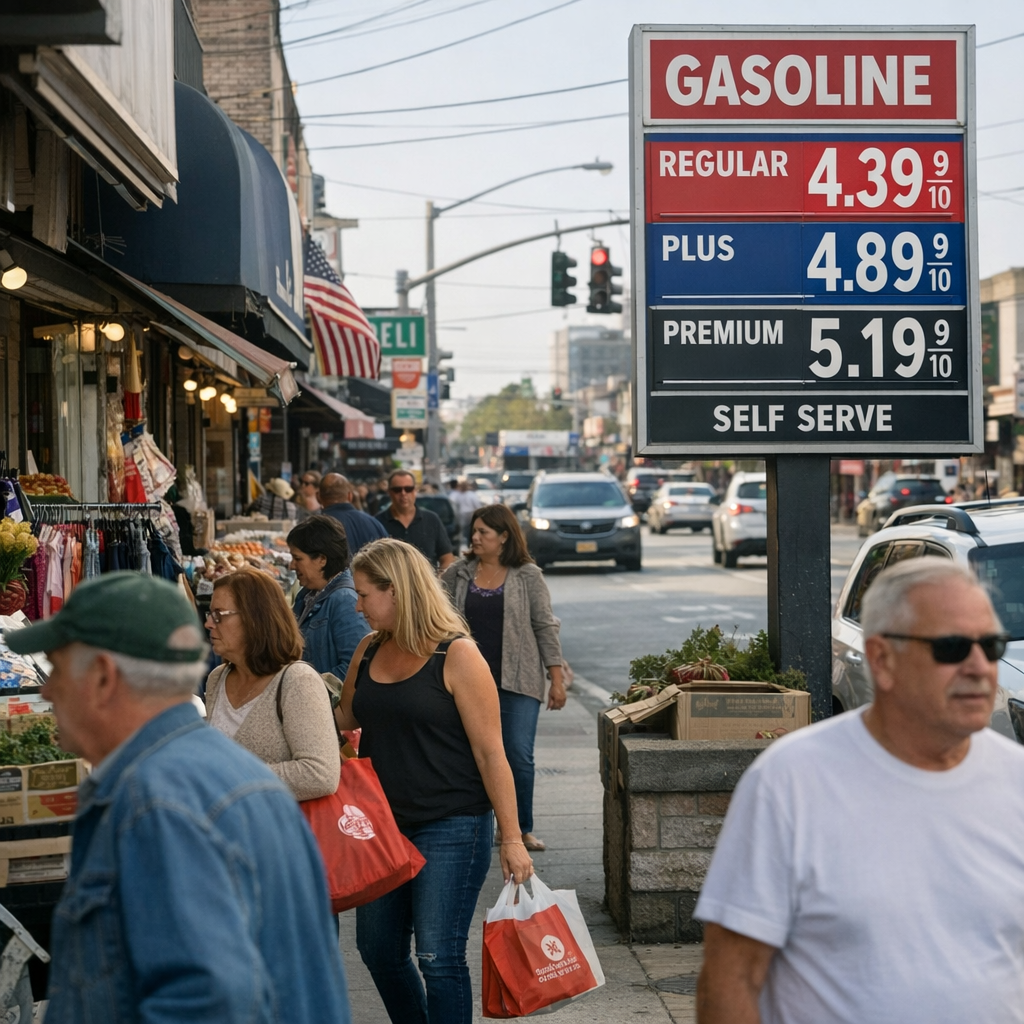
The United States is currently grappling with a series of economic challenges that have significant implications for its citizens and the global economy. Key issues include rising inflation, wage stagnation, and declining consumer confidence.
Inflation and Rising Costs
Inflation has surged to 3.8% in April, driven in part by the ongoing conflict in Iran, which has pushed the national average price of gasoline above $4.50 per gallon. This increase in fuel costs has a cascading effect on the prices of goods and services, placing additional financial strain on American households.
Wage Stagnation
For the first time in three years, wage growth has fallen behind inflation, diminishing the purchasing power of many Americans. This stagnation means that even as individuals earn more nominally, their real income—adjusted for inflation—has effectively decreased, making it harder to afford everyday necessities.
Declining Consumer Confidence
Consumer sentiment has plummeted to record lows, reflecting widespread pessimism about the economy and personal financial futures. This decline is evident across various demographics and regions, indicating a broad-based concern about economic stability.
Political Implications
The economic downturn has also influenced the political landscape. A recent CNN poll found that 70% of Americans disapprove of President Trump’s handling of the economy. This dissatisfaction poses significant challenges for the administration as it seeks to implement policies aimed at economic recovery.
Looking Ahead
Addressing these economic challenges requires a multifaceted approach, including measures to control inflation, stimulate wage growth, and restore consumer confidence. The outcomes of these efforts will not only affect the United States but also have ripple effects on the global economy, including countries like Kenya that engage in trade and diplomatic relations with the U.S.