

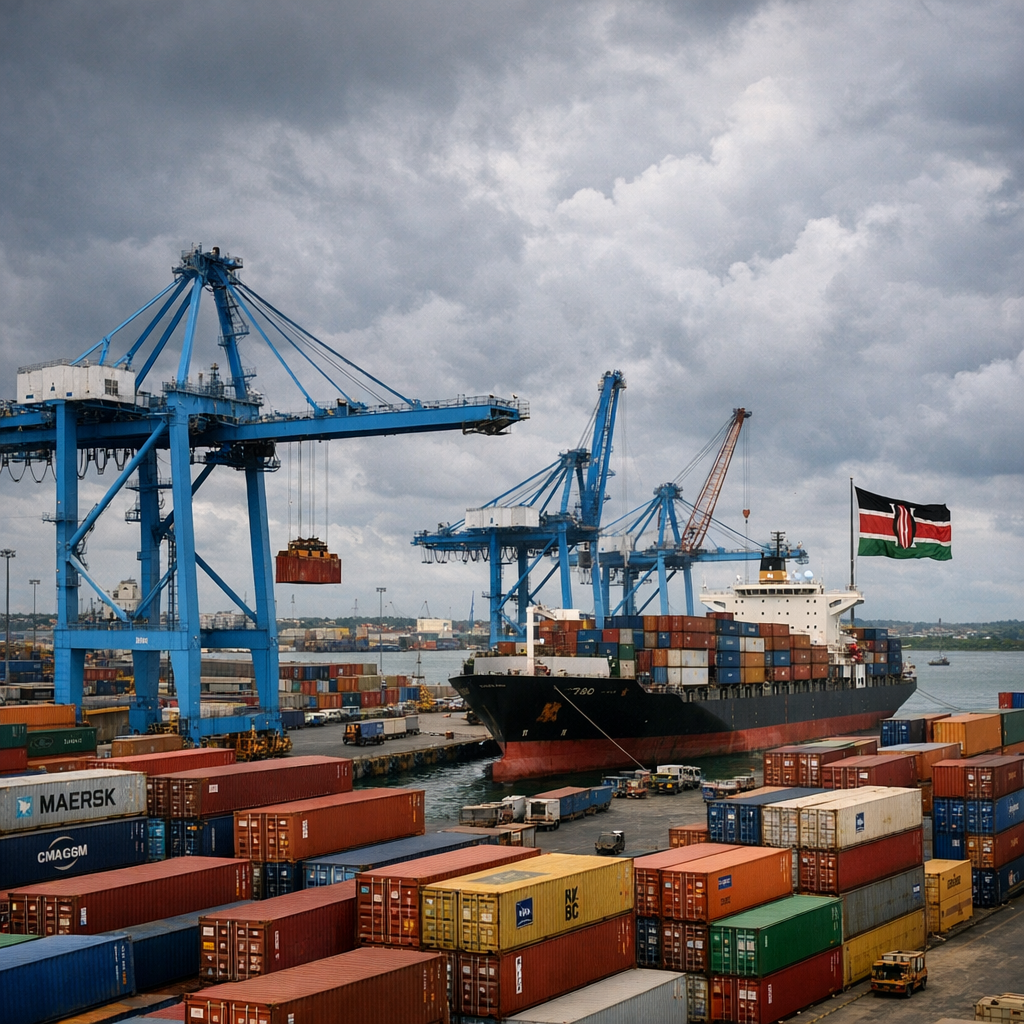
Kenya’s economy is increasingly influenced by global events, with recent developments posing significant challenges across various sectors.
Middle East Tensions Impacting Trade
Ongoing conflicts in the Middle East have disrupted key trade routes, affecting Kenya’s export sector. Cabinet Secretary for Investments, Trade, and Industry, Lee Kinyanjui, highlighted that instability in the region threatens approximately KES 164.6 billion worth of annual exports. The Middle East serves as a major destination for Kenyan products, and disruptions are impacting access to markets in Europe, Asia, and North America.
Rising Oil Prices and Economic Strain
The closure of the Strait of Hormuz due to Middle East conflicts has led to a surge in oil prices, exceeding $110 per barrel. This escalation has severe economic repercussions for Kenya, which relies heavily on imported petroleum products. The increased fuel costs contribute to higher transportation expenses and inflation, eroding consumer purchasing power, especially among low-income households.
Supply Chain Disruptions in Agriculture
Global conflicts have also disrupted supply chains, leading to delays in fertilizer shipments crucial for Kenya’s agricultural sector. These delays affect timely planting and application during the long rains season, potentially reducing crop yields. Additionally, elevated shipping and insurance costs are driving up prices for imported food commodities like wheat, rice, and cooking oil, further straining household budgets.
Climate Events and Infrastructure Challenges
In March 2026, Kenya experienced severe flooding caused by heavy rainfall, particularly affecting Nairobi. The floods resulted in at least 66 fatalities and widespread disruption to transport and infrastructure. Such climate events underscore the need for improved urban planning and resilient infrastructure to mitigate future disasters.
Debt Vulnerabilities and Fiscal Pressures
Kenya’s public debt burden remains a concern, with servicing costs consuming over a third of revenues. The country has faced challenges in securing liquidity for debt repayments, leading to currency depreciation and fiscal crises. Global economic imbalances, including disparities in current account balances among major economies, have indirect effects on Kenya’s financial stability.
In conclusion, Kenya’s economic landscape is being reshaped by a confluence of global events, including geopolitical tensions, supply chain disruptions, climate-related disasters, and fiscal challenges. Addressing these issues requires coordinated efforts to enhance economic resilience and sustainable development.