

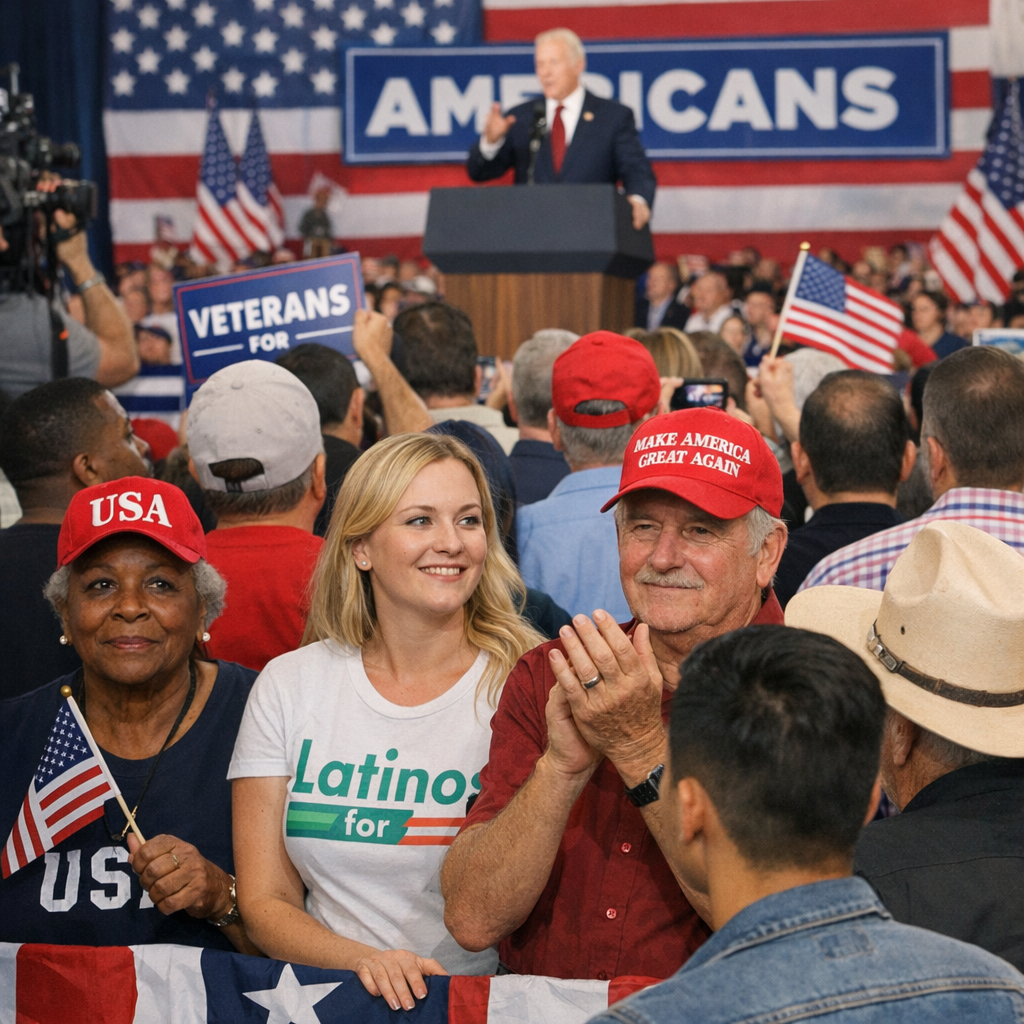
The United States is currently experiencing significant shifts in both its political and economic spheres, with developments that have far-reaching implications.
Political Climate and Public Sentiment
Recent polling indicates a heightened level of public concern regarding the U.S. political system. Approximately one-third of Americans now view politics and government as the nation’s most pressing issues. This sentiment is particularly pronounced among older demographics, while younger citizens are more focused on economic challenges such as housing affordability and basic needs.
Economic Developments
The U.S. economy has shown resilience, with the International Monetary Fund (IMF) projecting a growth rate of 2.4% for the fourth quarter of 2026. Unemployment rates are expected to decline to 4.1% during the same period. However, the IMF has also highlighted potential risks associated with rising federal budget deficits, which could pose stability challenges in the future.
Trade and International Relations
Trade negotiations are underway between the U.S., Canada, and Mexico to renew the North American trade pact. These discussions are crucial, as they aim to address and resolve existing trade disputes, thereby fostering stronger economic ties among the three nations.
Implications for Kenya
For Kenya, these developments in the U.S. are of particular interest. The U.S. is a significant trade partner and a source of foreign investment. Changes in U.S. economic policies, trade agreements, and political stability can have direct and indirect effects on Kenya’s economy, influencing trade volumes, investment flows, and bilateral relations.
Staying informed about these shifts is essential for policymakers, businesses, and citizens alike, as they navigate the interconnected global landscape.