

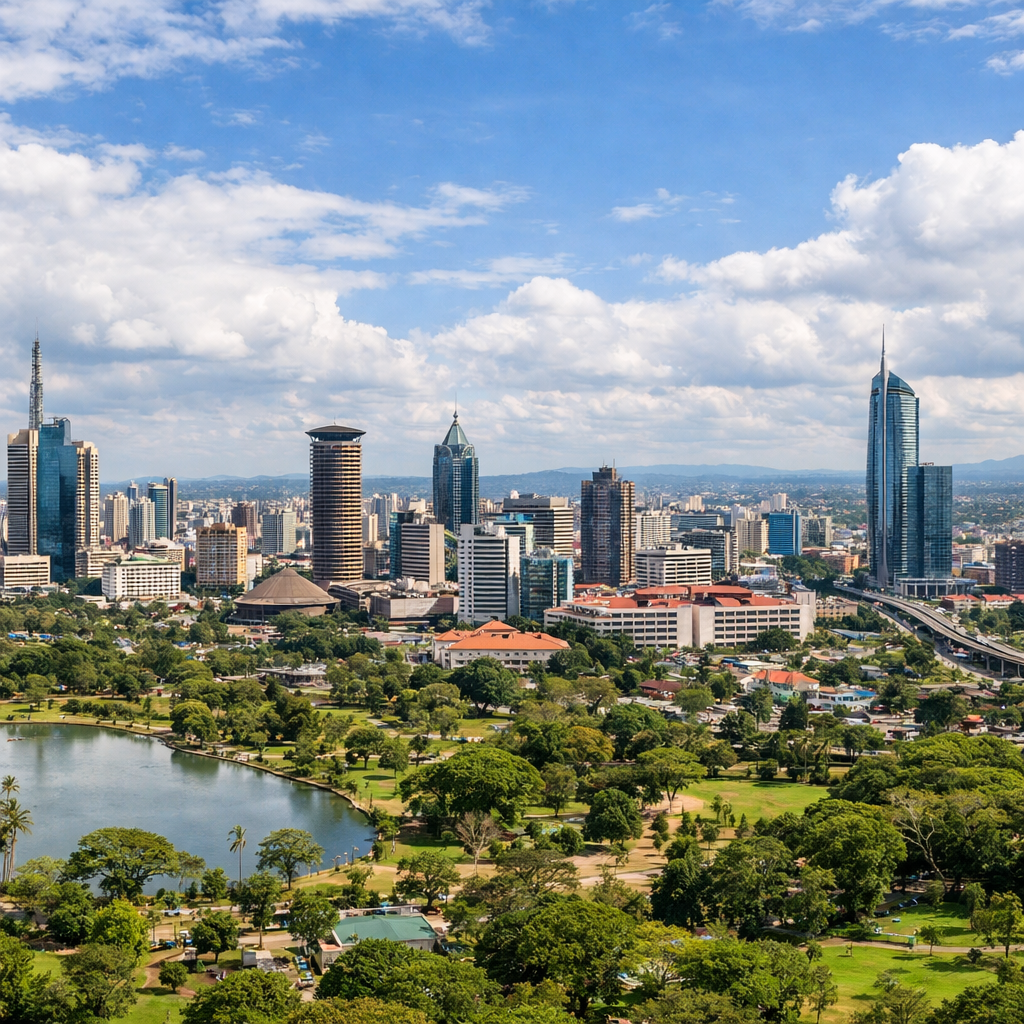
Nairobi, often referred to as “The City in the Sun,” boasts a distinctive climate that sets it apart from many other cities near the equator. This article delves into the city’s seasonal weather patterns and the environmental challenges it faces.
Climate Overview
Situated at an elevation of approximately 1,795 meters (5,889 feet) above sea level, Nairobi enjoys a subtropical highland climate. This altitude moderates temperatures, resulting in mild conditions throughout the year. Average daytime temperatures range between 18°C and 26°C (64°F to 79°F), while nighttime temperatures can drop to between 10°C and 15°C (50°F to 59°F). The city’s climate is characterized by two primary rainy seasons: the “long rains” from March to May and the “short rains” from October to December. Annual rainfall averages around 900 millimeters (35 inches), providing sufficient moisture to support the city’s lush vegetation.
Seasonal Weather Patterns
Understanding Nairobi’s seasonal weather patterns is essential for residents and visitors alike:
Long Rains (March to May)
During this period, the city experiences its heaviest rainfall. Afternoon and evening showers are common, leading to verdant landscapes. However, the increased precipitation can also result in temporary flooding in certain areas.
Short Rains (October to December)
This season brings lighter, more intermittent rainfall. Short, sharp showers are typical, interspersed with sunny intervals. The city remains green and vibrant, making it a pleasant time for outdoor activities.
Dry Seasons
The months of January to February and June to September constitute Nairobi’s dry seasons. These periods are characterized by cooler temperatures and minimal rainfall, offering ideal conditions for tourism and outdoor events.
Environmental Challenges
Despite its favorable climate, Nairobi faces several environmental challenges:
Urbanization and Flooding
Rapid urbanization has led to the development of informal settlements, many of which are located along riverbanks and floodplains. This has increased the city’s vulnerability to flooding during heavy rains. Inadequate drainage infrastructure exacerbates the situation, leading to recurrent flood-related issues.
Air Pollution
The city’s growing population and vehicular traffic contribute significantly to air pollution. Road transport accounts for approximately 40% of Nairobi’s PM2.5 concentrations, primarily due to an aging vehicle fleet and inadequate road networks. Efforts are underway to improve public transportation and implement stricter vehicle emission standards to address this issue.
Climate Change Impacts
Climate change poses a significant threat to Nairobi’s environmental stability. Projections indicate that by 2040, the city’s daily maximum temperatures could increase by between 0.5°C and 2°C. Additionally, rainfall patterns are becoming more erratic, leading to periods of drought and intense rainfall events. These changes threaten water supply, agriculture, and ecosystem stability.
Conclusion
Nairobi’s unique climate offers a comfortable environment for its residents and visitors. However, the city must address its environmental challenges to ensure sustainable growth and maintain the quality of life for future generations. Understanding and adapting to the city’s seasonal weather patterns and environmental issues is crucial for building a resilient Nairobi.